Busting Myths and Taking Action: Your Guide to a Greener Lifestyle

Hey there, eco-warriors! Ever feel overwhelmed by all the dos and don’ts of environmental conservation? Well, you’re not alone. It’s time to sort fact from fiction and take some real action. Let’s bust some common myths, explore easy ways to make a difference, and figure out how to measure our environmental impact. Ready? Let’s dive in!

Debunking the Myths:

Environmental conservation is a critical issue, but it’s often surrounded by misconceptions and myths that can hinder effective action. First up, let’s tackle five pesky myths about saving the environment:

  • Small Steps Matter: Think your individual actions don’t count? Think again! Every little effort, from recycling to saving water, adds up to big changes.
  • Budget-Friendly Green Living: Guess what? Going green doesn’t have to break the bank. Energy-efficient gadgets save cash in the long run, and who doesn’t love a good bike ride over a traffic jam?
  • Paper vs. Plastic: It’s not as straightforward as you might think. Both have their environmental costs, so it’s all about being mindful of how we use and dispose of them.
  • Climate Change is Now: This isn’t just a future problem. It’s happening right now, and it’s affecting us all.
  • Every Change Counts: Large-scale changes are great, but don’t underestimate local and personal actions. They’re equally crucial!

Making an Impact:

Ready to start making a positive impact? Making a positive impact on the environment doesn’t have to be complex or challenging. Here are five easy actions that everyone can take to contribute effectively to environmental conservation:

  • Embrace the Three R’s: Reduce, Reuse, Recycle – it’s the golden rule!
  • Conserve Water: Fix those leaks and keep showers short and sweet.
  • Energy Efficiency: Lights off, folks! And let’s not forget about energy-saving bulbs and appliances.
  • Sustainable Transport: Got a bike? Use it! Public transport and carpooling are your friends.
  • Eco-friendly Products: Shop smart – think recycled materials and minimal packaging.
  • Remember, every small step by each one of us can lead to massive leaps for mankind (and the planet!).

Calculate Your Carbon Footprint:

Curious about your environmental impact? Calculating your carbon footprint gives you insight into the impact your lifestyle has on the environment, particularly in terms of greenhouse gas emissions. While exact calculations can be complex. Let’s break down how to calculate your carbon footprint in a simplified approach:

  • On the Move:
    Track those miles in your car, on public transport, and in the air. Multiply by the right emission factors to see your transport impact.
  • Home Sweet Home:
    Check out your energy bills and figure out your household’s energy use.
  • You Are What You Eat:
    Your diet matters too. Meat lover or veggie fanatic – it all adds up differently.
  • Shop Till You Drop:
    Consider your spending habits. Every purchase has its carbon tag.

Feeling overwhelmed? There are awesome online calculators to simplify the process. Just plug in your info, and voila!

So there you have it! A no-nonsense guide to living a greener, more sustainable life. By debunking myths, making mindful choices, and understanding our carbon footprint, we can each make a world of difference. Let’s embrace this journey with open arms and maybe, just maybe, we can turn the tide in favor of our beautiful planet. Ready to join the green revolution? Let’s do this!

Posted in Hodgepodge | Tagged , , | Leave a comment

An Exoplanet Round-Up, Part 1

Welcome Aboard the Exoplanet Express!

All aboard ‘An Exoplanet Round-Up, Part 1’! Fasten your seatbelts as we launch into a cosmic odyssey, exploring some of the most jaw-dropping discoveries in the universe. Our focus? Exoplanets – those enigmatic planets that orbit stars far beyond our own solar system. These aren’t your grandma’s planets; each one is a universe of mysteries, boasting features that range from eerily familiar to downright bizarre.

Imagine a place where you could find Earth’s long-lost cousins or gas giants that make Jupiter look like a lightweight. The ten exoplanets we’re about to introduce are like the all-star cast of an intergalactic saga. They’re a sneak peek – the tip of an immense cosmic iceberg – in a galaxy where ‘thousands’ is just a casual count. These celestial wonders offer a kaleidoscope view into the endless diversity and spellbinding mysteries of far-off planetary systems.

So, let’s zoom through the stars and meet these out-of-this-world exoplanets. Get ready to have your mind blown by the wonders that await!

  • Kepler-22b: One of the first exoplanets discovered in the habitable zone of its star, where conditions might be right for liquid water.
  • Proxima Centauri b: The closest known exoplanet to the Solar System, orbiting the star Proxima Centauri. It’s located in the habitable zone, raising questions about its potential to host life.
Trappist-1 System, conceptual art
  • TRAPPIST-1 System: A system of seven Earth-sized planets, three of which are in the star’s habitable zone. This system is particularly interesting because of the potential for interplanetary habitability. NASA page. Explore the system in 3-D
  • Gliese 1214 b: Known as a “water world,” this exoplanet has a thick, steamy atmosphere and is believed to have an ocean or ice layer.
  • HD 209458 b (Osiris): This was the first exoplanet discovered that was seen transiting its star. It has a very short orbital period and is known for its extended atmosphere, which is being stripped away by the star.
  • Kepler-452b: Sometimes referred to as “Earth’s cousin,” this planet is in the habitable zone of its star and is close in size to Earth, although much older.
  • 55 Cancri e: An incredibly hot planet thought to be covered in lava, it orbits its star so closely that a year lasts just 18 hours. NASA page
  • J1407b: Known for its enormous ring system, which is much larger and heavier than Saturn’s and may have moons forming within them.
  • WASP-12b: A “hot Jupiter” with one of the shortest orbital periods known, it’s also being consumed by its host star, providing valuable insights into planetary dynamics.
  • K2-18b: This exoplanet is intriguing because it’s located in the habitable zone of its star and has an atmosphere that contains water vapor, raising questions about its potential for habitability. NASA page.
K2-18b illustration

Stellar Farewell (For Now)

As our interstellar tour of ‘An Exoplanet Round-Up, Part 1’ comes to a close, we hope you’ve enjoyed this astronomical adventure as much as we have. These ten exoplanets are just a small sample of the wonders that lie beyond our solar gaze, each a reminder of the boundless possibilities that our universe holds. As we continue to peer deeper into the cosmos, who knows what other astonishing worlds we’ll discover? Until ‘Part 2’ of our exoplanet exploration, keep looking up and wondering. The universe has endless stories to tell, and we’ve barely scratched the surface!

Posted in Exploration, Outer Space | Tagged , , , | Leave a comment

Crafting a Winning Social Media Strategy: Key Steps for Success

In today’s digital age, mastering social media marketing is crucial for any business looking to flourish online. But crafting a successful social media strategy involves more than just regular posts; it’s about embracing the ‘5 C’s of Social’: Conversation, Content, Connection, Community, and Conversion. In this guide, “Crafting a Winning Social Media Strategy: Key Steps for Success,” we delve into what makes a social media strategy truly effective and how to build one that resonates with your audience and propels your brand to new heights.

Understanding Social Media Marketing:

Social media marketing harnesses the power of platforms and networks to promote brands, products, and services, directly connecting organizations with their audience. It involves creating and sharing content that engages and provides value. This can be achieved organically, through content shared freely on profiles, or through paid efforts, such as targeted advertising aimed at driving specific outcomes.

Embracing the Five Cs:

A successful strategy hinges on these core elements:

Conversation: Encouraging interaction and dialog with your audience.

Content: Creating valuable and engaging material tailored to your demographic.

Connection: Building meaningful relationships with your audience.

Community: Fostering a sense of belonging among your followers.

Convert: Turning audience engagement into tangible results for your business.

Crafting Your Strategy:

  • Set SMART Goals: Define clear, specific objectives aligned with your business goals.
  • Know Your Audience: Create detailed personas to tailor your strategy effectively.
  • Competitor Analysis: Understand and differentiate from your competitors.
  • Platform Selection: Focus on platforms where your audience is most engaged.
  • Brand Voice: Maintain a consistent voice that resonates across all channels.
  • Profile Optimization: Ensure your profiles are fully optimized and reflective of your brand.
  • Content Strategy: Develop a diverse and goal-oriented content plan.
  • Content Calendar: Schedule your posts to maintain consistency and relevance.
  • Community Engagement: Actively engage and respond to your audience.
  • Performance Tracking: Regularly assess metrics and adjust strategies accordingly.
  • Continuous Refinement: Stay adaptable and update your approach with changing trends.

Implementing a well-crafted social media strategy can transform your digital presence, fostering business growth and stronger brand engagement. It’s about setting precise goals, deeply understanding your audience, and continually adapting to the dynamic social media environment. Embrace the journey of learning and evolving with digital trends, and watch your social media channels become a significant asset to your business’s success.

Posted in Business | Tagged , , , , , | Leave a comment

Exploring the Delights of Roman-Style Pizza: A Culinary Journey

Embark on a flavorful journey to the heart of Italy with Roman-style pizza, a culinary gem that epitomizes the rich traditions of Roman cuisine. Known as “Pizza al Taglio” or “Pizza by the Slice,” this unique pizza variant has become a beloved staple in Rome’s bustling pizzerias, quaint bakeries, and lively street corners. Let’s dive into what makes Roman-style pizza a must-try for any pizza aficionado.

Origin:

Roman-style pizza, or “Pizza al Taglio,” hails from Rome, Italy. Its history is as rich as its flavor, and it’s a common sight in the city’s pizzerias, bakeries, and street corners.

Description:

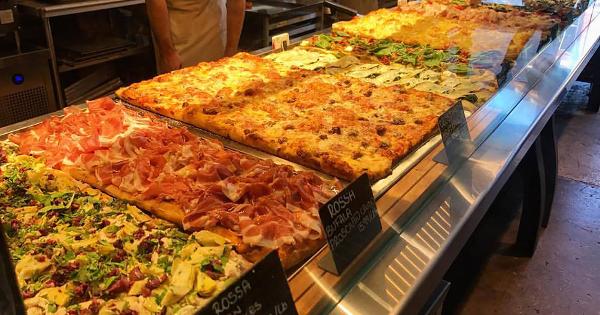
What sets Roman-style pizza apart is its rectangular shape and thick, focaccia-like crust – airy, light, and with a crispy exterior paired with a soft, chewy interior. Its versatility shines in the range of toppings, from traditional to innovative, making it a unique experience compared to its Neapolitan cousin. Typically sold by the slice, cut with scissors, and priced by weight, it’s a convenient and delicious option for those on the go.

Popular Toppings:

The variety of toppings on Roman-style pizza caters to all palates. Favorites include:

  • Margherita: A simple yet classic blend of tomato sauce, mozzarella cheese, basil, and olive oil.
  • Pepperoni: Spicy pepperoni with tomato sauce, mozzarella, and occasionally red pepper flakes.
  • Potato and Rosemary: A harmonious mix of thinly sliced potatoes, rosemary, olive oil, and sea salt.
  • Zucchini and Ricotta: Sliced zucchini with creamy ricotta, lemon zest, and black pepper.
  • Prosciutto and Arugula: A combination of prosciutto crudo, arugula, Parmesan, and balsamic glaze.
Roman Pizza on display

Basic Recipe (Margherita):

Roman Pizza Dough:

Ingredients:

500 grams (about 4 cups) of high-quality bread flour

350 milliliters (about 1.5 cups) of room-temperature water

10 grams (about 2 teaspoons) of salt

2 grams (about 1/2 teaspoon) of active dry yeast

Instructions:

  • Prepare the Dough:
    In a mixing bowl, combine the flour and salt. Make a well in the center of the flour.
  • Activate the Yeast:
    In a separate bowl, mix the yeast with the room-temperature water. Let it sit for about 5-10 minutes until it becomes frothy.
  • Combine and Knead: Pour the yeast mixture into the well you made in the flour. Gradually incorporate the flour into the liquid, mixing until you have a shaggy dough. Turn the dough out onto a floured surface and knead it for about 10-15 minutes until it becomes smooth and elastic.
  • First Rise:
    Place the dough in a lightly oiled bowl, cover it with a clean kitchen towel or plastic wrap, and let it rise at room temperature for about 4-6 hours or until it has doubled in size. You can also refrigerate the dough and let it rise overnight for better flavor development.
  • Shape the Dough:
    After the first rise, gently punch down the dough to release any excess air. Divide the dough into smaller portions, depending on the size of the pizzas you want to make. This recipe should yield about 3-4 individual pizzas.
  • Second Rise:
    Preheat your oven as high as it can go, typically around 500°F (260°C) or higher if possible. Roll out each dough ball into a thin circle or oval, depending on your preference, on a well-floured surface. The thinner, the better for Roman-style pizza. Place the rolled-out dough on a baking sheet or pizza peel dusted with semolina or cornmeal to prevent sticking.
  • Baking:
    Add your desired toppings sparingly, as Roman-style pizza typically has fewer toppings than other styles. Bake the pizzas in your preheated oven for about 5-8 minutes or until the crust is crispy and golden brown.
  • Enjoy:
    Remove the pizzas from the oven, let them cool for a minute, and then slice and serve immediately. Enjoy your homemade traditional Roman pizza!

Pizza Sauce

Ingredients:

1 can (28 ounces) of whole peeled tomatoes (San Marzano tomatoes are ideal)

2-3 cloves of garlic, minced

2 tablespoons of extra-virgin olive oil

1 teaspoon of dried oregano

Salt and freshly ground black pepper to taste

Optional: a pinch of red pepper flakes for a hint of heat

Instructions:

Prepare the Tomatoes:

Pour the contents of the can of whole peeled tomatoes into a bowl. Crush the tomatoes with your hands or use a fork to break them into smaller pieces. It’s okay to leave some texture.

Sauté the Garlic:

In a medium saucepan, heat the olive oil over medium heat.

Add the minced garlic and sauté for about 30 seconds or until fragrant. Be careful not to let it brown, as it can turn bitter.

Add Tomatoes and Seasonings:

Carefully pour the crushed tomatoes into the saucepan with the sautéed garlic.

Sprinkle in the dried oregano and, if desired, a pinch of red pepper flakes for some heat.

Season the sauce with salt and freshly ground black pepper to taste.

Simmer:

Reduce the heat to low, and let the sauce simmer gently for about 15-20 minutes. Stir occasionally to prevent sticking and to allow the flavors to meld together.

Taste and Adjust:

After simmering, taste the sauce and adjust the seasonings to your liking. You can add more salt, pepper, or red pepper flakes if desired.

Cool and Use:

Allow the sauce to cool slightly before using it as a pizza topping. It should be thick and spreadable.

This tomato sauce is perfect for Roman-style pizza due to its simplicity and classic Italian flavors. You can spread it thinly over the pizza dough and top it with your favorite ingredients, like fresh mozzarella, basil, and a drizzle of olive oil, for an authentic Roman pizza experience. Enjoy!

Pizza Ingredients:

Pizza dough (specific to Roman-style pizza, listed above)

1/2 cup tomato sauce (San Marzano tomatoes preferred), listed above

4 ounces fresh mozzarella, sliced or torn

Fresh basil leaves

Extra-virgin olive oil

Salt

Instructions:

Preheat your oven to around 475°F (245°C).

Stretch or roll the dough into a rectangle, about 1/2 inch thick.

Spread tomato sauce evenly, leaving a border.

Add mozzarella cheese.

Scatter torn basil leaves.

Drizzle with olive oil and a pinch of salt.

Bake for 10-15 minutes until golden and crisp.

Let it cool slightly, slice, and enjoy your Roman-style Margherita pizza.

In conclusion, Roman-style pizza is more than just a dish; it’s a celebration of Rome’s culinary heritage. With its distinctive crust and array of toppings, it invites you to experience the essence of Italian cooking. Whether you enjoy it in the bustling streets of Rome or make it in your own kitchen, Roman-style pizza offers a taste of the Eternal City’s rich history and vibrant culinary culture. Why not bring a slice of Rome into your home and savor the unique flavors of this timeless Italian classic?

Posted in Entertainment, Food, pizza | Tagged , , | Leave a comment

Unleashing the Krampus Craze: A Journey Through History and Festive Home Celebrations

Krampus, a central figure in Central and Eastern European folklore, especially in the Alpine regions, epitomizes the darker side of the holiday season. Often portrayed as a horned, anthropomorphic entity, Krampus is known for punishing misbehaving children during Christmas. His name, stemming from the German word “krampen” meaning “claw,” hints at his fearsome nature. Join me below as we delve deeper into the intriguing background of the Krampus.

Historical and Cultural Origins:

Pre-Christian Roots: The origins of Krampus are believed to date back to pre-Christian, pagan traditions in the Germanic and Alpine regions. He is often associated with winter rituals and may have been part of a broader pantheon of gods and mythical creatures. Some scholars suggest that Krampus may have been linked to Norse mythology, particularly with the god of the underworld, Hel.

Integration with Christian Traditions: 

As Christianity spread throughout Europe, many pagan traditions and figures were either suppressed or incorporated into Christian practices. Krampus became associated with the Christmas season, particularly juxtaposed with Saint Nicholas. While Saint Nicholas rewards good children with gifts, Krampus is said to punish those who have been naughty.

Krampusnacht: 

The tradition is particularly strong in Austria, Bavaria, Croatia, Czech Republic, Hungary, Northern Italy, Slovakia, and Slovenia. Krampusnacht (Krampus Night) is celebrated on the eve of Saint Nicholas Day, December 5th. During this night, men dressed as Krampus roam the streets, engaging in a ritual chase meant to scare children and adults alike.

Folklore and Cultural Celebrations: 

Krampus is traditionally portrayed as a demonic creature, with furs, horns, a lolling tongue, and fangs. The Krampuslauf (Krampus Run) is a popular event where participants, dressed as Krampus, parade through the streets. These parades can be quite theatrical and are part of the region’s cultural heritage.

Symbolism: Krampus serves as a counterbalance to the benevolent Saint Nicholas, embodying a form of social order where good behavior is rewarded and bad behavior is punished. The character of Krampus can be seen as a reminder of the old, wilder, and more untamed aspects of folklore and tradition.

Modern Perception and Popularity:

In recent years, Krampus has gained wider recognition outside Central and Eastern Europe, partly due to cultural globalization and an increasing interest in diverse folklore traditions. The figure of Krampus has been featured in various forms of media, including films, literature, and art, often with a blend of humor and horror. This has led to a more globalized and sometimes commercialized version of the traditional Krampus, contributing to the character’s evolving role in contemporary culture.


Having delved into the intriguing history of Krampus and his deep-rooted significance in Alpine folklore, it becomes clear why this enigmatic figure captivates so many. For those intrigued by this unique and somewhat edgy tradition, incorporating Krampus into your holiday festivities offers a thrilling opportunity to experience and celebrate diverse cultural customs. To bring this shadowy figure to life in your own celebrations, here are some fun and creative ideas:

  • Host a Krampusnacht Party: On the night of December 5th, throw a Krampus-themed party. Encourage guests to dress up in Krampus costumes or wear traditional Alpine attire. Decorate with rustic and Gothic elements to create a spooky atmosphere.
  • Krampus Parade or Krampuslauf Participation: If you’re in an area where Krampuslauf (Krampus Run) is organized, consider participating or watching the parade. These events can be thrilling spectacles with elaborate costumes and lively performances.
  • Krampus Movie Night: Organize a movie night featuring films and documentaries about Krampus. This can be a great way to learn more about the folklore in a fun and relaxed setting.
  • Craft Krampus Masks: Get creative and make your own Krampus masks using materials like cardboard, fur, and paint. This can be a fun activity, especially if you’re artistically inclined or have kids who enjoy crafts.
  • Bake Krampus Cookies: Bake and decorate cookies in the shape of Krampus or related symbols. This can be a unique addition to your usual holiday baking.
  • Krampus Storytelling: Share stories or read books about Krampus and related folklore. This can be an enjoyable way to delve into the traditions and tales associated with Krampus.
  • Send Krampus Cards: Instead of traditional holiday cards, send out Krampus cards to friends and family. These can be humorous or spooky, depending on your preference.
  • Create a Krampus Corner: Dedicate a corner of your home to Krampus-themed decorations. This can include figurines, artwork, and other items inspired by the legend.
  • Play Krampus Games: Invent or adapt games for your party or family that fit the Krampus theme. For example, a “Hide from Krampus” hide-and-seek game could be a fun activity for kids.
  • Learn about Alpine Traditions: Use the occasion to educate yourself and others about Alpine traditions and how Krampus fits into the broader context of European folklore and winter celebrations.

Krampus, embodying a darker aspect of holiday folklore, offers an intriguing addition to your festivities. This blend of fun and curiosity, steeped in rich cultural heritage, can add a unique dimension to your celebrations. With his deep roots in Alpine folklore and a presence that captivates and inspires, Krampus is more than just a myth; he’s a symbol of the diverse tapestry of holiday traditions. Perhaps this year, you might choose to incorporate a little bit of Krampus into your holiday customs, adding an unconventional twist to your seasonal celebrations.

Posted in Hodgepodge | Tagged , , | Leave a comment

The Ultimate Guide to Waxing Your Skis and Snowboard for Peak Performance

For skiing and snowboarding enthusiasts, maintaining your gear is not just a chore, it’s an essential part of the sport. Waxing your skis or snowboard not only enhances performance but also protects them from wear and tear. In this guide, we’ll walk you through the steps of waxing your gear like a pro and discuss how to choose the right wax for different conditions.

Step-by-Step Guide to Waxing:

Clean Your Skis/Snowboard: Start by cleaning the base of your skis or snowboard. Use a base cleaner to remove old wax and dirt.

Secure Your Gear: Use a vise or a similar tool to secure your skis or snowboard. This makes the process easier and more effective.

Apply the Wax: Choose a wax that suits the temperature and conditions you’ll be riding in. Heat your waxing iron to the wax’s recommended temperature (usually around 120-140 degrees Fahrenheit). Hold the wax against the iron and let it drip onto the ski or snowboard base in a zigzag pattern.

Iron the Wax: Gently iron the wax over the base, spreading it evenly. Move the iron slowly but continuously to avoid damaging the base.

Let It Cool: Allow the wax to cool and harden for about 30 minutes.

Scrape Off Excess Wax: Using a plastic scraper, scrape off the excess wax from tip to tail. Be thorough but gentle to avoid damaging the base.

Brush the Base: Finally, use a nylon brush to remove any remaining wax and polish the base. Brush from tip to tail until the base looks shiny.

Choosing the Right Wax

The type of wax you choose can significantly impact your performance on the slopes. Here’s a quick guide:

For Different Times of the Season:

  • Early/Late Season: Use a softer wax as temperatures tend to be warmer.
  • Mid-Season: A harder wax is preferable for colder temperatures.

Based on Temperature:

  • Cold Weather Wax: Designed for temperatures below 15°F, these waxes are harder and provide better glide on cold, dry snow.
  • Warm Weather Wax: For temperatures above 32°F, softer waxes work better as they handle wetter snow effectively.

Snow Type:

  • Dry Snow: Use a harder wax as it provides better durability and glide.
  • Wet Snow: A softer, more hydrophobic wax helps repel water and improves performance.

Remember, the right wax can not only enhance your speed and control but also protect your skis or snowboard from the elements. Happy waxing, and here’s to many exhilarating rides down the slopes!

Posted in Outdoors | Tagged , , , , | Leave a comment