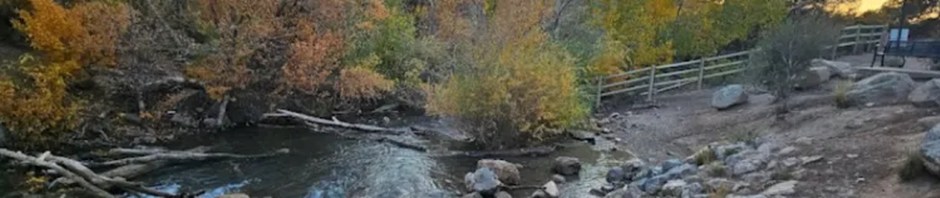
When I was a kid in the late-80s, we used to wander down into the gully long before it became Parleys Historical Park, long before the dog park and the cleaned-up hollow people know now. Back then it felt rougher, stranger, completely isolated from the rest of the city. There were tar pits. Forts built from trash by older kids, drifters, whoever had passed through before us. The creek pulled toward the freeway, and when the runoff was right, we would dam up the tube with discarded plywood and debris and ride the wave behind it when it was time to break it, shooting the tube was legendary.
But the place that really got under everybody’s skin was Bloody Mary’s Cave. Later, after we heard a more official version of the lore, we started calling it Crazy Mary’s Cave . It did not look like much. Just a hole in the side of a dirt hill, barely big enough to crawl into. But if you were brave enough to bring a flashlight, the dark would open up and the old rock walls of a wine cellar would be revealed.
Naturally, it was a space filled with ghost stories, devil worship, and other tall tales kids pass around to make a place become cinematic. Maybe there were some truths mixed into all of it. Potentially none.
Then, during one of the early cleanup phases in the gully, they unearthed more of the cellar and put a gate over the front. That was when the story shifted. The place stopped being just a dare. It started to evoke imagination about how the place may have looked.
And what it had actually been ran deeper than any of the stories we told in the dark.
The Early History of Parley’s Hollow
Long before it was a dog park, before the freeways carved it up, before houses climbed the rim and softened the edges, Parley’s Hollow was a corridor people always had to move through. The Ute knew it as Obekokechee, or The Big Canyon. Parley’s Creek came down out of the Wasatch here, cold and constant, the largest stream flowing from the mountains into the valley.
In 1850, Parley P. Pratt looked at this ground and saw a way through. Emigration Canyon was the kind of route that wore people and animals down before they ever reached the valley floor. Pratt believed this passage could be made easier, so he spent thousands of his own dollars cutting what became known as the Golden Pass Road. It crossed the creek sixteen times on its descent, rough and rocky in places, but still more forgiving than what many travelers had endured before. He established a tollhouse near the creek and officially opened the road on July 4, 1850. Wagons, soldiers, merchants, gold seekers, and later Overland Stage traffic all came through here.
Then Joseph Dudler came in and crafted something more permanent into the hillside. Around 1864, the carpenter turned brewer settled into the hollow and built his home there: part house, part inn, part working stop for people moving in and out of the canyon. Upstairs held rooms to rent, along with a kitchen and dining space. As business grew, he added more. In 1870 he built a brewery behind the inn and cut deeper into the slope, creating the rock-walled wine cellar that still remains. No machinery. No shortcuts. Just labor, stone, and the slow grind of building something by hand into the side of the earth.
Dudler’s operation did not stop with the hollow. He sold beer there, later ran the Philadelphia Brewery Saloon in downtown Salt Lake City, and expanded into Park City as well. The inn at Parley’s was also known as Dudler’s Summer Resort and Dudler’s Saloon.
This hollow saw a constant stream of people. Travelers on the road. Rail passengers later on. Freight. Coal. Skiers headed toward Park City. It was a crossroads before it became a park.
Dudler died in October 1897, but the place did not go quiet after that. His family remained. His daughter, Loretta Elizabeth Dudler Schaer, was born in the house and stayed tied to the property long after the old hollow began changing around her. She was known for her musical ability. Though, over time, she became the kind of woman a neighborhood folds into rumor when loneliness, grief, and cruelty start mixing together. After a series of personal tragedies, including the death of her first child, her relationship with the surrounding community soured. Teenagers and locals harassed her. They called her the Witch of Parley’s Hollow. They called her Crazy Mary.
Then came the fire. On the night of October 17, 1952, vandals set the old homestead ablaze. Nearly ninety years of hand-built history went up in smoke. The house was lost. The cellar was not. Its thick stone walls held fast. Even after the burn, even after cleanup crews came through, the cellar endured while the rest of the hollow kept being carved up, rerouted, industrialized, and eventually reshaped into parkland.
That is what still sits there now, half-hidden off the trail. Not just an old cellar. The remains of an inn, a brewery, a saloon, a travel corridor, and a life that the neighborhood eventually turned into folklore. Long before dog walkers and trail signs, this hollow was work, water, dust, rumor, vice, and survival. Some days, if the light hits it right, it still feels that way.
-Jared Ray Conger, former Canyon Rim resident
Sources
- Salt Lake City Public Lands – Parley’s Historic Nature Park
- Salt Lake City Historic Landscapes Report – Parley’s Historic Nature Park PDF
- Parley’s Historic Nature Park Comprehensive Use and Management Plan PDF
- Utah Historical Markers – Dudler’s Inn and Dudler’s Wine Cellar
- HMdb – Dudler’s Inn historical marker
- Park City Museum – Drunkenness and Moralizing in Early Park City
- The Dead History – The Witch of Parley’s Hollow
About the writer: Jared Ray Conger is a Salt Lake City writer specializing in place-based history, dark fiction, and longform essay work. His short story collection Before the Hunger: Blood, Salt, Dust is available from Lulu. He’s available for editorial commissions, magazine features, and bespoke historical writing — contact.


